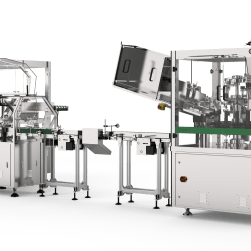
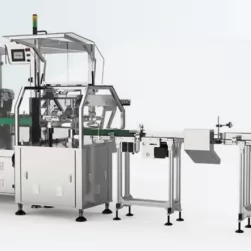
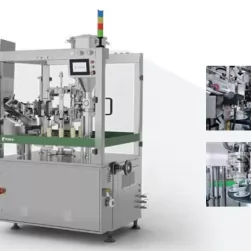
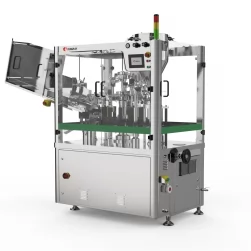
Small-scale manufacturers, pilot facilities, and QC labs often struggle to increase production without losing accuracy. Large industrial filling and packaging lines take up a lot of space and require big investments, while manual processes can lead to mistakes, uneven fills, and contamination. Bench-top equipment offers a solution by delivering the precision and reliability of factory systems in a compact form, made specifically for smaller operations.
Switching from manual work to a semi-automated line means small-batch manufacturers must deal with strict regulations and limited budgets. No matter if they make cosmetics, perfumes, or medical products, small businesses are held to the same quality standards as large companies. Using bench-top machines helps them stay compliant, keep products pure, and get the most out of each batch.
Why Switch From Manual Production to Bench-Top Setups?
Moving from hand-filling to semi-automated production usually comes down to two things:
- Accuracy and consistent volume. Manual work often leads to changes in volume because of tiredness or differences between operators. These changes can cause expensive product loss or even break regulations if containers don’t meet the labelled weight.
- Bench-top machines bring reliable, repeatable results to the process. One person using a bench-mounted system can work much faster than manual assembly and still keep everything precise. For instance, volumetric or vacuum fillers make sure every bottle or vial gets the same amount, every time. Also, tightening caps by hand can lead to leaks or unhappy customers, but bench-mounted cap tighteners apply the same force to every cap, preventing problems during shipping.
How Do Compact Systems Maintain Strict Quality Control?
Quality control for small-scale packaging is about more than just filling bottles or tubes. It also means preventing contamination and making sure packaging is strong. For businesses packing small, valuable batches, even one rejected batch because of dust or a weak seal can wipe out profits.
With advanced bench-top tools, manufacturers can set up strict testing routines right next to where they fill products:
- Pre-fill Decontamination: Before filling, clear glass or plastic bottles can hold tiny dust particles or debris from transport. Special bench-top bottle blowers use two streams of air and precise timing to remove these particles from inside the bottles, collecting the waste in a filter bag before filling begins.
- Destructive and Non-Destructive Packaging Tests: To make sure laminate or plastic tubes can handle shipping, they need to be tested. Operators use small tube burst testers on the factory floor to apply exact air pressure, sometimes up to 40 psi, for set periods. This quickly finds weak seals or material problems, stopping bigger issues. Similar testers check unsealed tubes before they go to the filling stage.
What are the Core Types of Bench-Top Equipment for Small Batches?
Choosing the right system depends on your product’s thickness, the type of container, and your industry’s needs. Most small production setups use a few main types of specialised bench-top machines:
- Volumetric Fillers: These are ideal when you need very accurate amounts for liquids of different thicknesses, handling doses from 10 ml up to 5 litres.
- Vacuum Fillers: These work well for clear containers where it’s important that every bottle looks the same on the shelf, even if the glass size varies a little.
- Pressure-Time Fillers: These are made for fast, efficient filling of thinner liquids in frequent, small batches.
- Plastic Tube Sealing Equipment: These compact machines make airtight, clean seals on plastic and laminate tubes, which is especially important for cosmetics and medical creams.
Example Case Study: From Kitchen Table to Contract Manufacturing
Take the example of a UK botanical skincare brand moving from small, handmade batches to selling in stores. At first, they used manual syringes and hand crimpers, but this led to almost 4% of their products being rejected because of uneven fill lines and small leaks from caps that weren’t tightened evenly.
When they switched to a synchronised bench-top system with a volumetric filler, a bottle blower, and a mechanical cap tightener, the brand changed how it operated:
Adding pre-fill air purging got rid of dust contamination, and mechanical dosing made volume differences almost disappear. The whole system fit into less than two meters of workbench space, so the company could stay in its current location and still boost daily output by more than 300%.
Summary: Future-Proofing Smaller Production Lines
Investing in the right automation helps small businesses protect profits, cut waste, and meet industry standards without spending too much. For more than thirty years, Manufacturing Support & Design Ltd (MSD Ltd) has provided high-quality bench-top equipment and precision machine parts throughout the UK.
Whether you are setting up an R&D lab or improving a boutique line, choosing the right equipment means you don’t have to give up on industrial-level quality, even in small-scale production. Contact us today to learn more about our range.